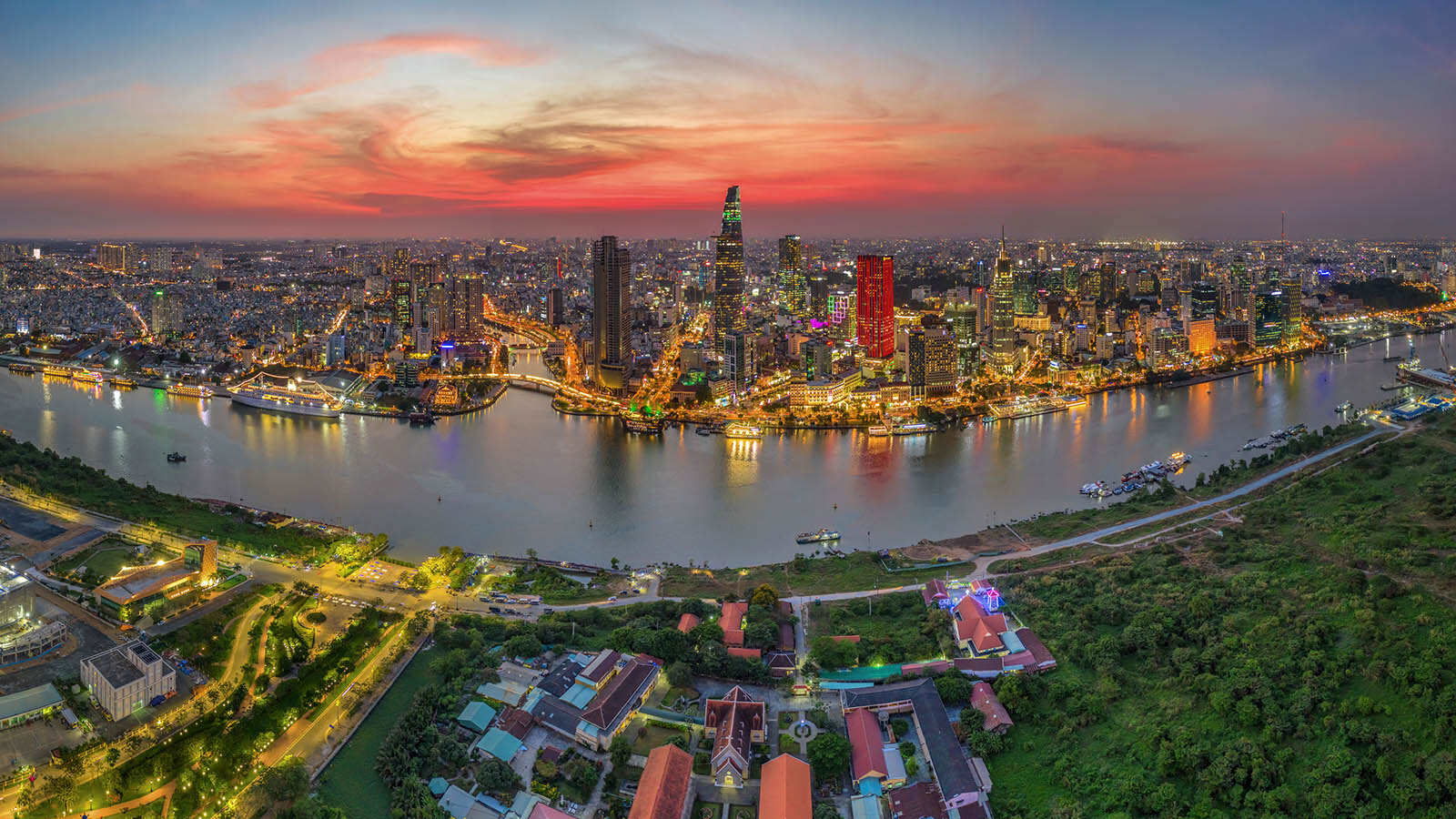
A Local Guide’s Breakdown of Weather, Festivals, and the "Coolest" Months to Travel
Xin Chào! Welcome to Vietnam !
If you are reading this, you are likely sitting in front of your computer in the US or Europe, dreaming of emerald waters, sizzling street food, and ancient lanterns. But as you start planning, you have probably run into the most confusing question of all:
"When is the best time to visit Vietnam?"
As a local guide who has welcomed thousands of travelers from New York to London, I will tell you the honest truth: There is no single "perfect" month for the entire country.
Vietnam is a long, S-shaped dragon stretching over 1,000 miles (1,600 km). We have three distinct climate zones. While Hanoi is shivering in a winter coat, Phu Quoc is basking in 85°F sunshine. While Sapa is golden with harvest, Hoi An might be under a raincloud.

But don't worry. I have designed this guide to cut through the confusion. Whether you are looking for the best time to visit Hanoi and Halong Bay for a cruise, or seeking the sunny shores of Phu Quoc, I have broken it all down below.
The Quick Summary
For travelers who want the answers fast, here is your snapshot.
What is the overall best time to visit Vietnam?
To see the entire country (North, Center, and South) with the best chance of good weather, aim for February to April. During these months, rainfall is low across all regions, and temperatures are moderate.
Quick Cheat Sheet by Region:
- Best time to visit North Vietnam: March–April (Spring) or September–November (Autumn).
- Best time to visit South Vietnam: December–April (Dry Season).
- Best month to visit Vietnam Danang & Hoi An: February–May (Dry and sunny).
- Worst time to visit Vietnam: There is no "bad" time, but September–October can be risky for Central Vietnam due to typhoons, and June–July is incredibly hot and humid in the North.
Part 1: Weather by Region (The "S" Shape)
To plan your trip, you must understand that Vietnam has three distinct micro-climates. Let’s look at the best time to visit Vietnam by breaking it down geographically.
1. North Vietnam (Hanoi, Halong Bay, Sapa, Ninh Binh)

The Land of Four Seasons
Unlike the tropical South, the North has a distinct winter and summer.
The Best Time:
If you are searching for the best time to visit North Vietnam, mark your calendar for March to April or September to November.
- Spring (March-April): The weather is warming up, flowers are blooming, and humidity is manageable.
- Autumn (Sept-Nov): Known as the most romantic season in Hanoi. Cool breezes, golden sunlight, and clear skies.
The Winter Warning:
Many Americans are surprised to learn that the best time to visit Hanoi is not necessarily January—unless you like the cold! In Dec-Jan, temperatures can drop to 10°C (50°F) with a mystic drizzle.
Spotlight: Best Time to Visit Hanoi and Halong Bay
For the iconic Halong Bay cruise, you want clear skies and calm waters.
- Ideally: Go in October, November, March, or April.
- Why: You avoid the summer storms (July/August) that can cancel boats, and you avoid the thick winter fog (January) that obscures the view of the limestone karsts.
2. Central Vietnam (Da Nang, Hoi An, Hue)
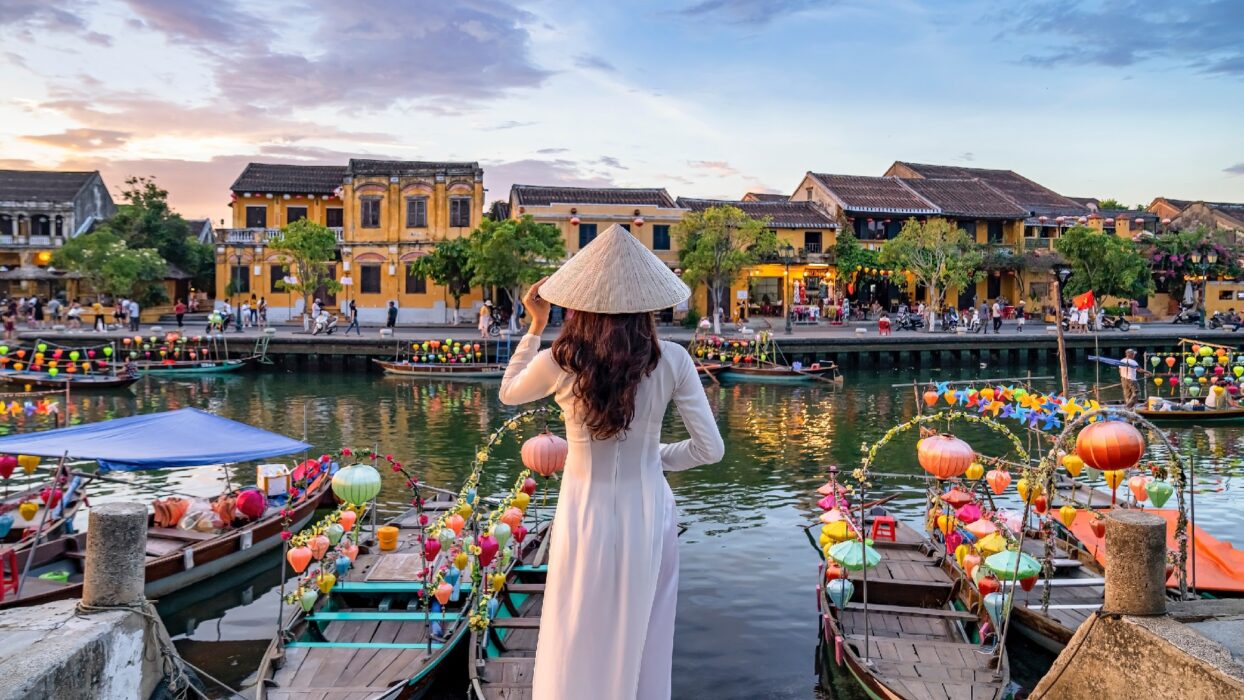
The Coastline of Heritage
The weather here is tricky because the rainy season happens at a different time than the rest of the country.
The Best Time:
- The best month to visit Vietnam Danang and Hoi An is generally February through May.
- Why: The skies are vibrant blue, the ocean is calm for swimming, and the temperature is warm (25°C-30°C / 77°F-86°F) but not roasting hot yet.
The Danger Zone:
- You must be careful if traveling in October and November. This is peak typhoon season for the Central coast. Hoi An is prone to flooding during these months. If you visit then, bring a poncho and a sense of adventure!
Spotlight: Best Time to Visit Hoi An
- For the famous Lantern Festival (held monthly on the full moon) and perfect beach days at An Bang Beach, aim for April or May. It is dry, sunny, and the rice paddies surrounding the ancient town are emerald green.
3. South Vietnam (Ho Chi Minh City, Mekong Delta)
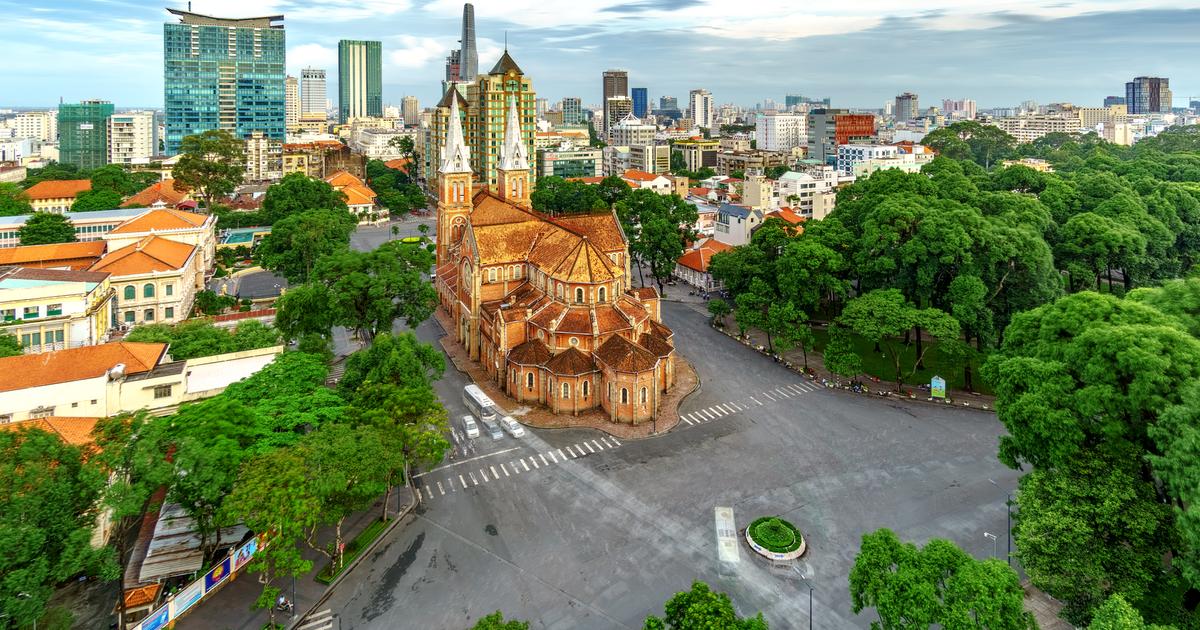
The Endless Summer
The South is simple: It is hot, and it stays hot. There are only two seasons: Dry and Wet.
The Best Time:
The best time to visit South Vietnam is the dry season, running from November to April.
- December/January: The most pleasant months. Evenings are breezy (22°C/72°F), making it perfect for rooftop bars in Ho Chi Minh City.
The Wet Season (May - October):
- Don't be afraid of the "wet" season. Unlike the gloomy rains of London or Seattle, the rain here comes in short, heavy bursts in the afternoon (usually 4:00 PM) and clears up quickly. It rarely rains all day.
Part 2: Destination Spotlights
Detailed advice for specific famous locations.
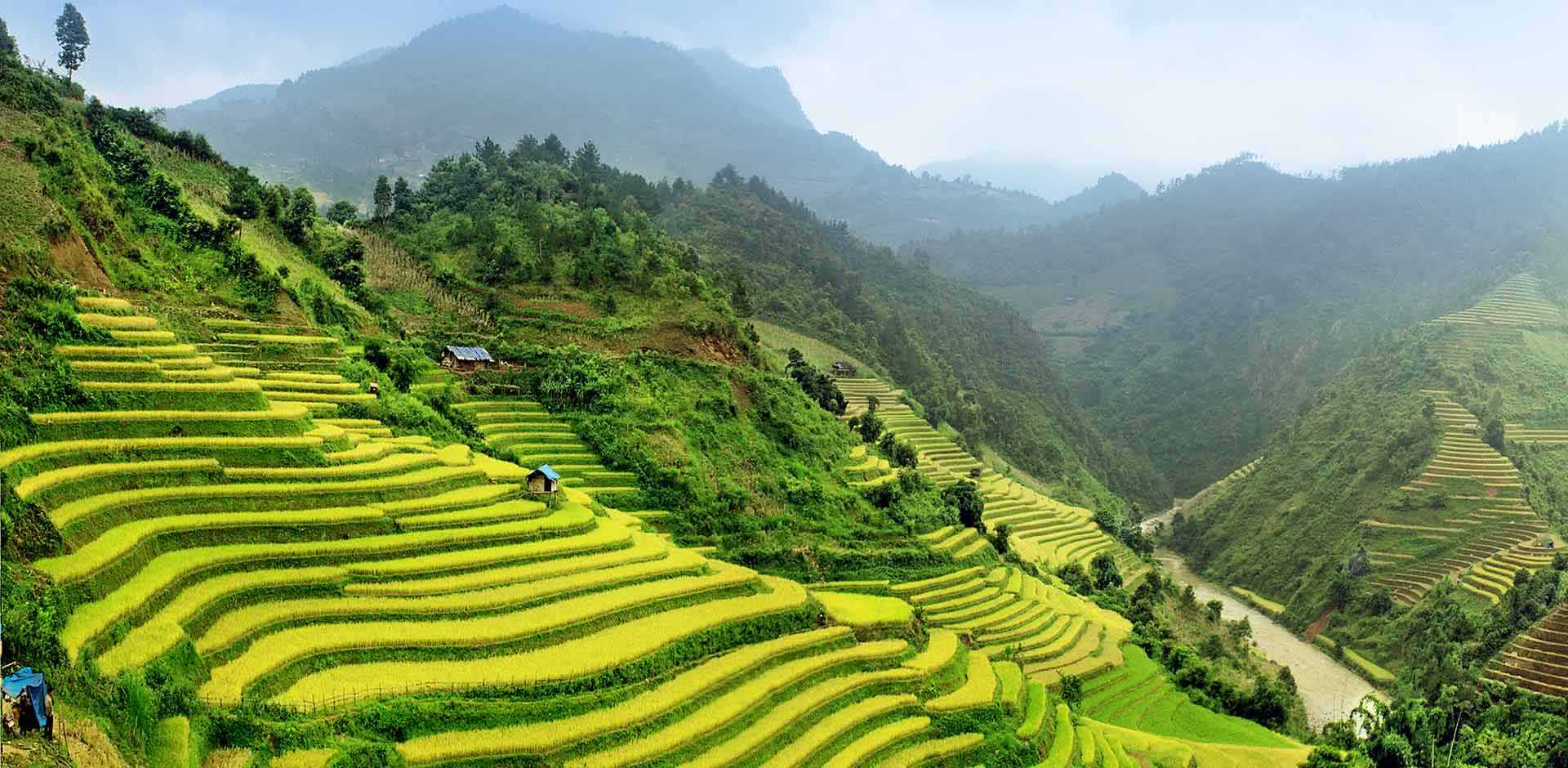
Sapa: Chasing the Rice Fields
Sapa is a bucket-list destination, but timing is everything if you want to see those famous terraced fields.
Sapa, Vietnam Best Time to Visit:
- For Golden Rice: Go in September or early October. This is harvest season. The terraces turn a brilliant, photogenic gold.
- For Watering Season: Go in May. The fields act as giant mirrors reflecting the sky.
- For Trekking: March to May offers cool, dry weather with blooming flowers.
Note: Avoid Sapa in July and August (too muddy/slippery) and January (too foggy/cold).
Phu Quoc: The Island Paradise
If your goal is pure relaxation, you need to know the best time to visit Vietnam Phu Quoc.
- The Window: November to March.
- Why: While Central Vietnam (Da Nang) is raining in winter, Phu Quoc in the far south is dry and calm. The sea is like glass.
- Avoid: July to September. The monsoon winds make the sea rough, and ferries are sometimes canceled.
Part 3: The "Worst" Time to Visit
An honest answer to a common question.
Is there a worst time to visit Vietnam?
Technically, no—Vietnam is beautiful year-round. However, depending on your tolerance for heat and rain, there are times you might want to avoid:
- The "Sticky" Season (June - August):If you are from a cooler climate (like the UK or Northern US) and struggle with humidity, this is the worst time. Hanoi and HCMC can feel like a sauna.
- The Storm Season (October - November):Specifically for Central Vietnam (Hue, Da Nang, Hoi An). If your dream is a beach holiday in Hoi An, do not book in October. You will likely be stuck inside watching the rain.
- The "Crowded" Season (Tet Holiday):Visiting during Tet (Lunar New Year, usually late Jan/early Feb) is culturally fascinating but logistically difficult. Prices triple, transport is sold out, and many shops close.
Part 4: Month-by-Month Breakdown
To help you decide the best time to visit Vietnam, here is a simple calendar guide:
| Month | Region Focus | Weather Vibe | Crowd Level |
| January | South & Phu Quoc | Cold North / Perfect South | High (Peak) |
| February | Whole Country | Dry & Cool Everywhere | High (Tet) |
| March | Whole Country | Perfect "Goldilocks" Weather | Moderate |
| April | Whole Country | Warmer, still dry | Moderate |
| May | Central & North | Hot, but great beaches | Low |
| June | Central Coast | HOT. Good for Da Nang beaches | High (Locals) |
| July | Central Coast | Very Hot & Humid | High (Locals) |
| August | North & Central | Rain increasing / Hot | Moderate |
| September | North (Sapa) | Golden Harvest in North | Low |
| October | North (Hanoi) | Beautiful North / Stormy Center | Low |
| November | South & North | Cool North / Dry South starts | Moderate |
| December | South & North | Festive, Cool, Dry | High (Peak) |
 Best Time To Go To Vietnam 2025 - 2026
Part 5: FAQ for US & European Travelers
Answering the most searched questions on Google.
Q: What is the absolute best month to visit Vietnam Danang?
A: April. It is the sweet spot. The winter rains have stopped, the ocean has warmed up, but the scorching heat of July hasn't arrived yet. The water is calm and crystal clear.
Q: I want to see everything. When is the best time to visit Vietnam for a 2-week trip?
A: Book your tickets for March. You can trek in Sapa (cool), cruise Halong Bay (dry), relax on the beach in Hoi An (sunny), and explore the Mekong Delta (pleasant). It is the safest bet for good weather across the board.
Q: When is the best time to visit Hanoi and Halong Bay for photography?
A: October and November. The autumn light in Hanoi is golden and soft. In Halong Bay, visibility is high, and the sunsets are spectacular because there is less haze than in summer.
Q: Is the "worst time to visit Vietnam" really that bad?
A: Not at all. Even if you visit the South in the rainy season (July), the rain cools things down and the greenery is lush. Plus, hotel rates are 30-40% cheaper! The only "bad" time is Central Vietnam during a typhoon (Oct/Nov), which can actually be dangerous.
Q: When is the best time to visit South Vietnam for fruit lovers?
A: June, July, and August. This is the peak fruit season in the Mekong Delta. You can feast on fresh mangosteen, rambutan, durian, and mango straight from the orchards.
A Traveler's Checklist
Before you fly, make sure you have:
-
Visa: US and European citizens need an E-Visa (apply 2 weeks ahead).
-
Apps: Download Grab (for taxis) and Google Translate.
-
Cash: Carry VND for street food; cards work in hotels.
Final Verdict
Vietnam is a country that rewards curiosity.
-
Want romance and culture? Choose the best time to visit Hanoi in Autumn (October).
-
Want sun and sand? Choose the best time to visit Vietnam Phu Quoc in January.
-
Want it all? Come in March or April.
No matter when you arrive, the coffee will be strong, the people will be welcoming, and the adventure will be unforgettable.
Are you ready to plan your Vietnamese adventure?
Tell me in the comments below: Are you a "Beach Person" or a "Mountain Person"? I will give you a personal recommendation on exactly which month to book!